Leak Detection & Pipe Repair Aurora

Expert Leak Detection and Pipe Repair in Aurora

Professional leak detection, pipe repair, and whole-house repiping services including copper-to-PEX upgrades in Aurora, CO.

Licensed & Insured Upfront Pricing Same-Day Service

Hidden leaks waste water and cause expensive damage to floors, walls, and foundations. Two Bears Plumbing uses professional leak detection equipment to find leaks without tearing up your home. We handle everything from single pipe repairs to full copper-to-PEX repiping for Aurora homes with aging plumbing systems.

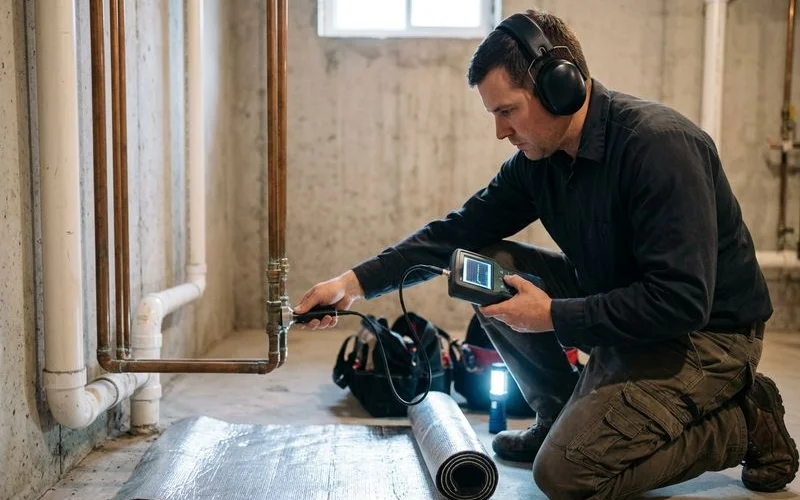
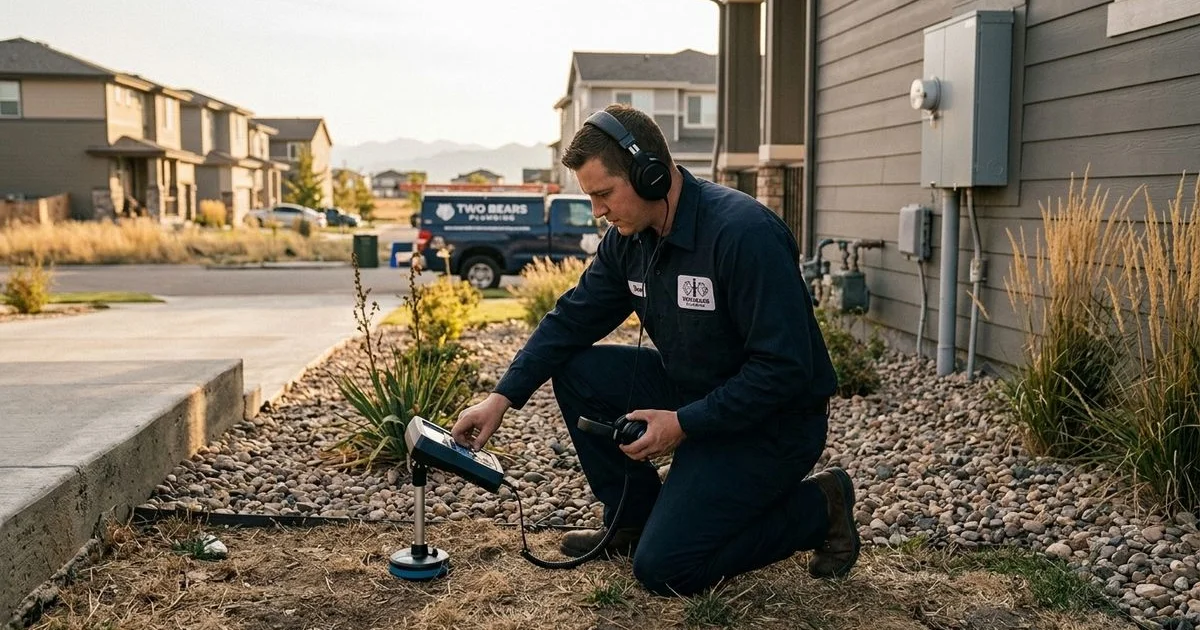
Leak detection equipment in use

Non-Invasive Leak Detection

Our leak detection process minimizes damage to your home. We use:

  • Acoustic detection - listens for the sound of water escaping pipes through walls and floors
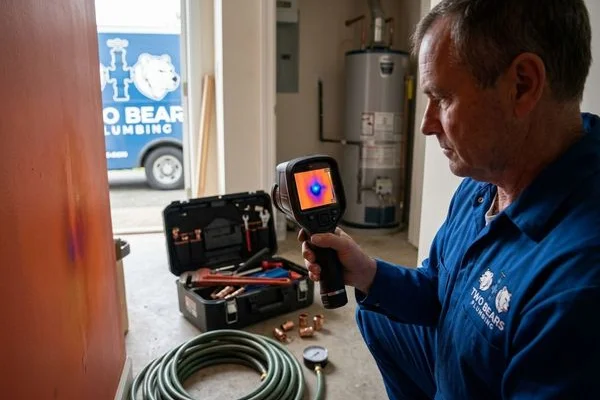
  • Infrared scanning - identifies temperature differences caused by water behind surfaces
  • Pressure testing - measures system pressure to confirm leak presence and severity
  • Moisture meters - detects elevated moisture levels in walls, floors, and ceilings

We pinpoint the leak location before cutting into anything. This targeted approach means less repair work and lower costs.

Slab Leak Repair

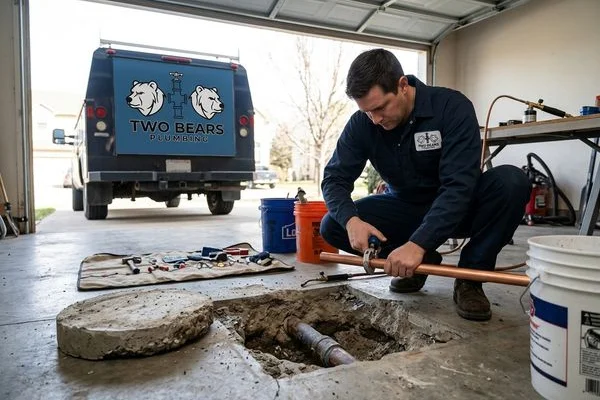
Slab leaks occur when pipes running under your concrete foundation develop leaks. They're common in Aurora homes built on slab foundations, especially those with copper supply lines affected by hard water corrosion.

Repair options include:

  • Spot repair - accessing the pipe through the slab at the leak location
  • Rerouting - running new pipe through the walls or attic to bypass the slab
  • Epoxy lining - sealing the pipe from the inside without excavation

We'll explain each option and recommend the most cost-effective approach for your situation.

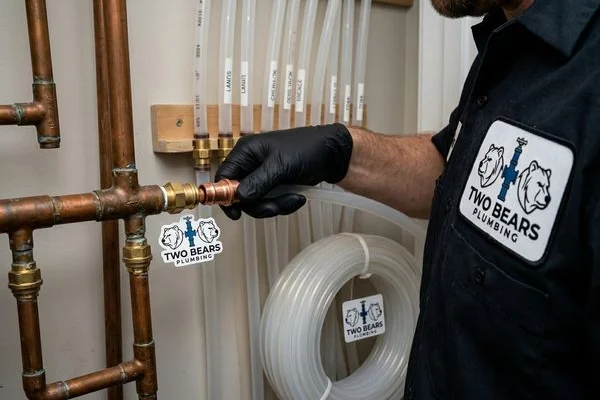
Copper-to-PEX Repiping

Older Aurora homes with copper supply pipes face increasing problems from hard water corrosion and pinhole leaks. PEX (cross-linked polyethylene) pipe is the modern solution:

  • Corrosion-resistant - immune to hard water damage
  • Freeze-resistant - flexible pipe expands instead of bursting
  • Cost-effective - lower material cost than copper
  • Durable - 50+ year lifespan
  • Fast installation - whole-house repiping in 1-2 days

We can repipe your entire water supply system with minimal wall opening, keeping disruption to a minimum.

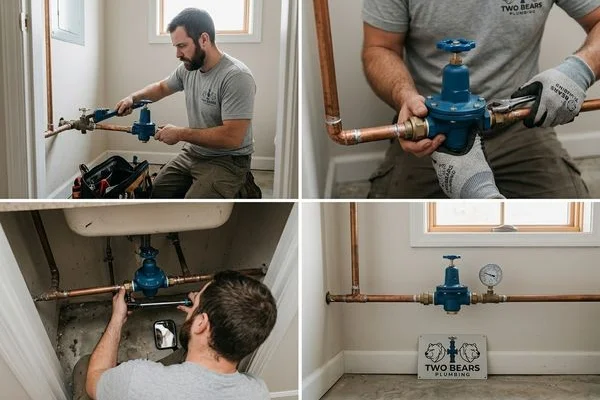
Pressure Regulator Installation

High water pressure (over 80 PSI) damages pipes, fittings, and appliances over time. Many Aurora homes have water pressure above this threshold. A pressure regulator installed on your main water line reduces incoming pressure to a safe 50-70 PSI, protecting your entire plumbing system.

Signs You Have a Hidden Leak

Most leaks do not announce themselves. The pipe is inside a wall or under a floor, so you only see the symptoms. Here is what we hear about on calls.

The Water Bill Climbs

Your bill goes up and nothing in your routine changed. A slow leak can run for weeks before anyone looks at the bill.
Water Running When Nothing Is On

You hear a faint hiss or trickle in a quiet house. Check toilets, then check the meter.

Warm Spots on the Floor

A warm patch on a slab floor often points to a hot water line leaking underneath. It can show up in a hallway or near a bathroom.

Musty Smell or Stains

A damp smell with no obvious source is a red flag. So are stains on a ceiling below a bathroom, or paint that bubbles on a wall.

Low or Uneven Pressure

Pressure that drops in one part of the house can mean a leak on that branch. It can also mean corroded pipe. We sort out which.

Cracks or Shifting Near the Foundation

Water under a slab can soften the ground and move concrete. Fresh cracks plus any of the signs above deserve a look.

Need Leak Detection & Pipe Repair Help?

Upfront pricing. Licensed and insured. Same-day service.

Call (720) 903-1527

Check Your Own Meter First

You can do a quick test before you call. Shut off every faucet, appliance, the ice maker, and sprinklers. Then look at your water meter. If the dial or the small low-flow indicator is still moving, water is leaking somewhere on your side of the meter.

Aurora Water also helps here. Customers can sign up for alerts through the water customer portal, and the city sends a notice when a meter records continuous flow for at least 24 hours. You can view usage by the hour, which tells us a lot. A leak that runs at 3 AM when nobody is awake shows up clearly.

If the meter moves, shut off the main valve and see if it stops. If it stops, the leak is inside the house. If it keeps moving, the leak is likely between the meter and the house. Either way, call us with what you found. It saves time on the first visit.

Why Aurora Pipes Leak

A few local conditions keep us busy on leak calls.

  • Hard water. Aurora water carries a lot of minerals. Over decades, it pits copper from the inside, especially on hot water lines, and it eats away at galvanized steel. The result is pinholes that spray a thin mist inside a wall.
  • High pressure. Many Aurora homes sit above 80 PSI at the main. Pipes and fittings take a beating every time a valve closes. Fittings loosen and old solder joints give up.
  • Freeze-thaw. Pipes that froze once and did not burst can have a weak spot that fails months later. If you had a frozen pipe last winter, read about frozen pipe repair and tell us when you call.
  • Shifting ground. Front Range clay soil swells when it is wet and shrinks when it dries. Over time that movement puts stress on lines running through or under a slab.

Most of the time, when we find one leak on a 40-year-old system, we find signs of a second one coming.

What We Find by Home Age

Different eras fail in different ways. Knowing the year your home was built tells us where to look first.

Homes Built Before About 1965+

Older neighborhoods near Colfax often have galvanized steel supply lines that rusted from the inside out. Pressure drops, water runs brown, and pinholes show up at the fittings. Underground, the sewer lateral may be clay or Orangeburg. Those are drain problems, not supply leaks, but a wet spot in a yard or a damp basement corner can come from either. If we suspect the lateral, we move to a sewer line inspection.

Homes Built in the 1970s and 1980s+

This is a big share of Aurora. We see original copper supply lines with pinholes, slab leaks where copper runs under the concrete, and polybutylene in homes built from the late 1970s into the mid 1990s. Poly-B can look fine and then split with no warning. Our post on emergency plumbing in 1970s and 1980s Aurora homes covers what fails and why.

Newer Homes+

Newer homes have fewer age-related leaks. We still see failed fittings, loose connections from a rushed install, and pressure that was never set right. A leak in a newer house usually has a single cause, and the fix is quick once we find it.

Need Leak Detection & Pipe Repair Help?

Upfront pricing. Licensed and insured. Same-day service.

Call (720) 903-1527

How a Leak Detection Call Works

We keep it simple and we keep the damage small.

  1. We listen to you. Where did you see the stain? When did the bill change? What changed in the house? That points us to the right branch of the system.
  2. We check the basics. Meter, main valve, pressure, and the visible pipes. Plenty of leaks turn out to be a toilet, a water heater connection, or a hose bib.
  3. We narrow it down. Acoustic equipment, infrared, moisture meters, and pressure testing each rule areas in or out. We confirm with more than one method before we cut anything.
  4. We pinpoint the spot. We mark it and show you.
  5. We give you a flat-rate quote before work starts. You see the repair options and the price, then you decide.

Repair or Repipe: How We Decide

One leak does not mean you need new pipe. Plenty of homes need a single repair and nothing else. But a pattern changes the answer.

A spot repair makes sense when the pipe around the leak is in good shape. The leak came from a bad fitting or a one-time nick. Repiping makes sense when the pipe itself is failing, such as several pinholes in a few years, or galvanized lines choking pressure. It also makes sense with polybutylene, because the material breaks down from the inside.

We tell you what we see and what we would do in our own house. If a repair will hold for years, we say so. If you will be back in six months with another leak, we say that too. Repiping with PEX usually means a few access openings, not stripped walls.

Leaks That Are Not in the Pipes

Not every wet spot is a supply line. Before anyone opens a wall, we look at the easy suspects.

  • Toilets. A worn flapper or fill valve can run all day without a sound. It is the most common reason for a bill that jumps.
  • Water heaters. A weeping connection or a failing tank looks like a pipe leak on the floor. Our water heater repair team checks the tank and fittings.
  • Drain lines. A slow drain leak can stain a ceiling and look like a supply leak. If the water shows up near a bathroom or kitchen, we check the drains too. See drain cleaning in Aurora.
  • Hose bibs and irrigation. Outdoor lines leak underground and show up as soggy ground or a high summer bill.

What to Do Until We Get There

Shut off the main valve if water is actively coming through a wall or ceiling. Open a faucet at the lowest point to drain the lines. Move furniture and electronics out of the way, and use towels or a wet-dry vacuum on standing water. Take photos of the damage before you clean up.

If a ceiling is bulging with water, poke a small hole in the lowest point and put a bucket under it. A controlled drip is better than a collapse. Keep people out from under it.

If the situation is urgent, call our emergency plumbers. Our emergency response runs 24 hours Monday through Friday. Our regular hours are Monday to Saturday 7:30 AM to 6 PM and Sunday 9 AM to 4 PM. Our guide on signs you need an emergency plumber helps you decide how fast to move.

Call (720) 903-1527 for leak detection and pipe repair in Aurora.
What's Included

✓Non-invasive leak detection technology
✓Slab leak detection and repair
✓Copper-to-PEX repiping
✓Pipe repair and replacement
✓Water line repair
✓Pressure regulator installation

Our Work

Leak Detection & Pipe Repair work example 1Leak Detection & Pipe Repair work example 2Leak Detection & Pipe Repair work example 3Leak Detection & Pipe Repair work example 4

Leak Detection & Pipe Repair FAQ

How do you find hidden leaks?+
We use acoustic leak detection equipment and infrared scanning to locate leaks inside walls, under floors, and in slab foundations without tearing up your home. We pinpoint the exact location before making any openings.
What is copper-to-PEX repiping?+
PEX is a flexible plastic pipe that replaces old copper supply lines. It's resistant to corrosion, freeze damage, and hard water buildup. It costs less than copper and lasts 50+ years. We can repipe your entire home in 1-2 days.
How do I know if I have a slab leak?+
Signs include unexplained increases in your water bill, the sound of running water when nothing is on, warm spots on the floor, and cracks in the foundation. Slab leaks are common in Aurora homes built on concrete slabs.
How Do I Check For A Leak With My Water Meter?+
You check for a leak with your water meter by shutting off every fixture and appliance, then watching the meter. Turn off the ice maker and irrigation too. If the dial or low-flow indicator still moves after 15 minutes or so, water is going somewhere. Aurora Water can also text or email you when your meter records continuous flow for 24 hours, and you can see hourly use in your customer portal.
Does A High Water Bill Mean I Have A Leak?+
A high water bill often means a leak, but not always. Sprinklers, a new toilet flapper that sticks, and a long stretch of summer watering all push usage up. If the bill jumps and your habits did not change, a hidden supply line leak is the first thing we check. A silent toilet leak and a slab leak both show up as a bill that climbs for no clear reason.
Can A Slab Leak Be Fixed Without Breaking The Slab?+
A slab leak can sometimes be fixed without breaking the slab. Rerouting the line through the walls or attic skips the concrete entirely, and epoxy lining seals the pipe from the inside. Which one works depends on pipe condition and layout. We locate the leak first, then walk you through the options before we open anything.
What Water Pressure Should My Aurora Home Have?+
Your Aurora home should run between 50 and 70 PSI at the fixtures. Anything over 80 PSI is hard on pipes, fittings, and appliances. A cheap gauge on a hose bib tells you where you stand, and a pressure regulator on the main brings it back into a safe range.

Need Leak Detection & Pipe Repair Help?

Call now for same-day service. Upfront pricing, no hidden fees.

Call (720) 903-1527