Outdoor Hose Bibs
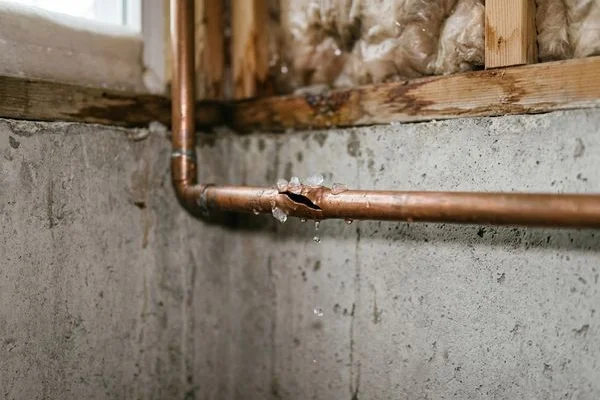
A hose left on in fall holds water in the spigot. The pipe behind it splits inside the wall, and nobody sees it until spring.
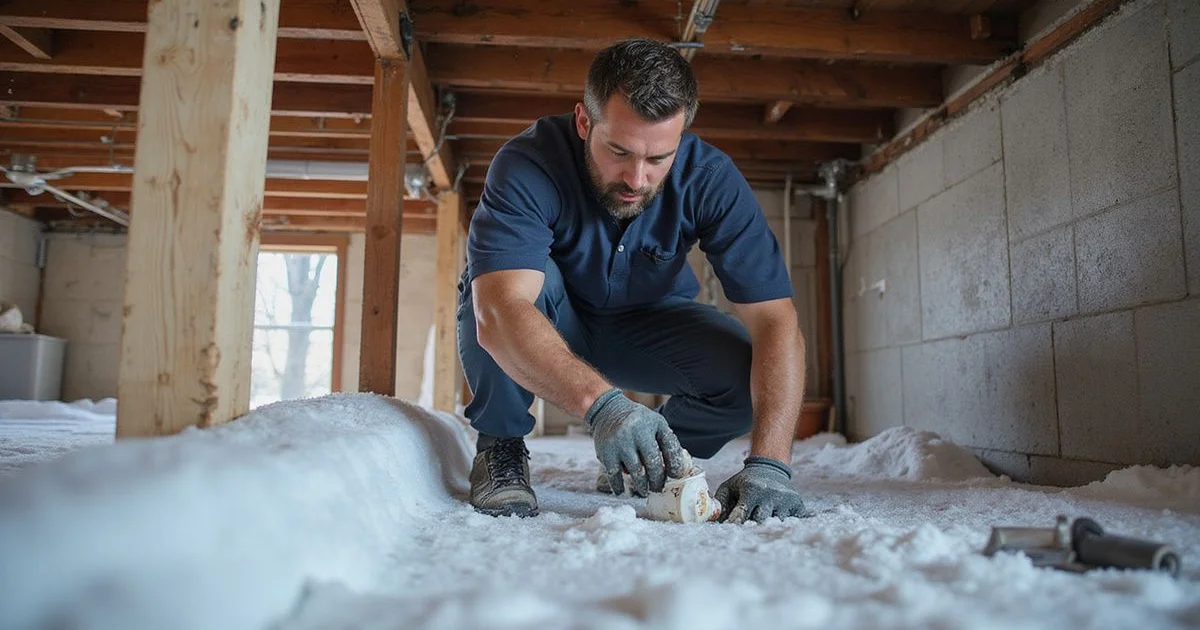
Emergency frozen pipe thawing, burst pipe repair, and winterization services for Aurora's harsh freeze-thaw climate.
Colorado's freeze-thaw cycles are hard on pipes, especially in Aurora homes built in the 1970s and 1980s. When temperatures drop, unprotected pipes can freeze and burst in hours. Two Bears Plumbing provides emergency frozen pipe thawing and burst pipe repair, plus winterization inspections to prevent it from happening in the first place.
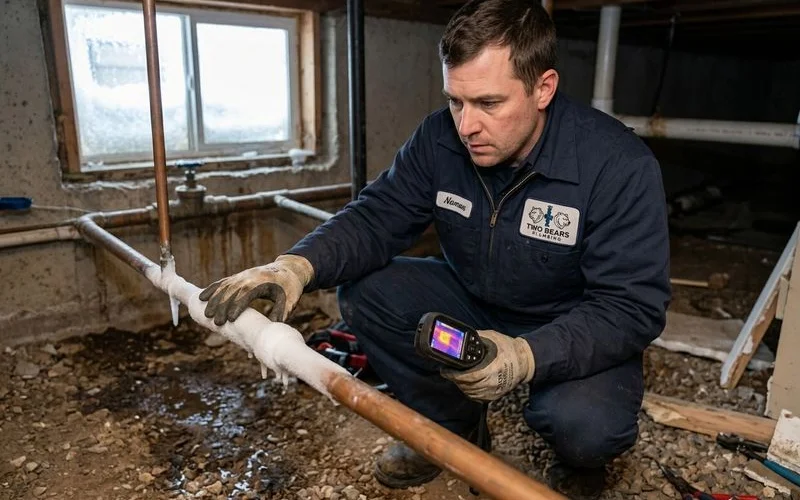
Aurora sits at 5,400 feet elevation with winter temperatures regularly dropping below 0°F. The daily freeze-thaw cycle - freezing at night, warming during the day - puts repeated stress on pipes. Water expands when it freezes, and that pressure has to go somewhere. If the pipe can't flex, it bursts.
The most vulnerable pipes in Aurora homes are in:
Not sure? Here's how to tell if your pipes are frozen. If you think they are, call (720) 903-1527 immediately. Time matters - a frozen pipe that hasn't burst yet can be saved. A pipe that's been frozen for hours is at high risk of bursting.
We arrive fast, locate the frozen section, and use professional thawing equipment to safely restore flow. If the pipe has already burst, we contain the damage, make the repair, and check the rest of your home for other vulnerable pipes.
Prevention is cheaper than repair. For a full breakdown of what to expect, read our guide on frozen pipe repair costs in Aurora. Our winterization inspection covers:
We recommend scheduling winterization before the first hard freeze, typically October or November in Aurora.
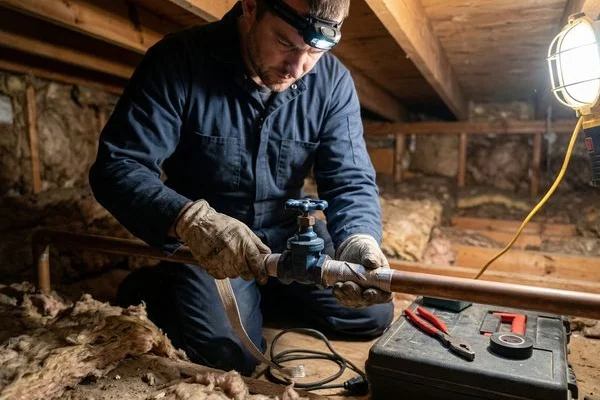
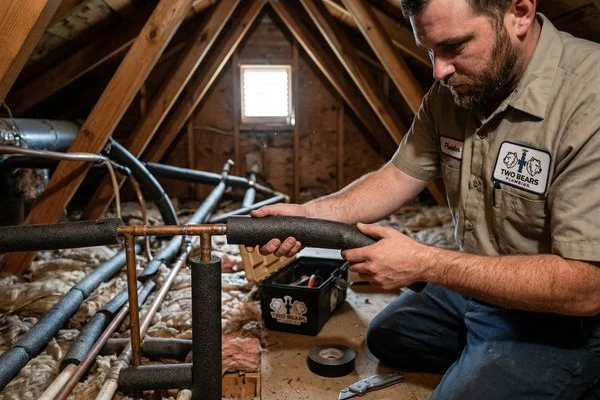
For pipes that can't be relocated or fully insulated, heat tape is a permanent solution. Electrical heat tape wraps around the pipe and provides gentle warmth when temperatures drop. It's thermostatically controlled - it only turns on when the pipe temperature drops to freezing.
We install heat tape on copper, PEX, and CPVC pipes in crawl spaces, attics, and exterior walls. It's an affordable investment that prevents thousands in burst pipe damage.
A frozen pipe does not always burst where the ice is. Ice grows inside the pipe and pushes water ahead of it. That water has nowhere to go if a faucet is shut, so pressure builds between the ice and the closed fixture. The pipe splits there, often a few feet from the ice itself.
Then comes the part that surprises people. The split can sit hidden until the ice melts. Water starts moving again and sprays from a crack you could not see an hour ago. That is why we tell customers to open a faucet, watch the line while it thaws, and keep the main valve in reach.
Outside the house, the numbers are just as plain. Aurora's own design criteria list a frost depth of 36 inches and a winter design temperature of 1 degree Fahrenheit. A service line buried shallower than that is at risk, and so is anything that runs through an unheated space inside.
Need Frozen Pipe Repair Help?
Upfront pricing. Licensed and insured. Same-day service.
Most freeze calls come from the same handful of spots.
A hose left on in fall holds water in the spigot. The pipe behind it splits inside the wall, and nobody sees it until spring.
The supply lines sit against cold sheathing with little insulation. The sink on the north wall is often the first to stop.
Open vents, missing insulation, or a rim joist gap lets wind blow across the pipes. We see this a lot in 1960s and 1970s homes.
Washer hookups and water heater lines in unheated garages freeze on the first deep cold snap.
A house with the heat turned down or off has no margin. One cold night can freeze a line and nobody is home to notice.
Lines that run above the insulation layer or along an outside wall take the most abuse.
Here is how we work a frozen pipe call, from the first visit to the last check.
We start with the symptoms. Which fixtures have no water? Which have a trickle? That tells us which branch is frozen. Then we trace it. On an accessible pipe we can usually find the frozen section by touch and by sight. Inside a wall or ceiling, we use a thermal camera to see where the pipe runs cold, so we cut drywall only if we have to.
We use professional electric thawing equipment and gentle, controlled heat on accessible runs. We keep a faucet open so melting water has an exit. We never use an open flame on a pipe. That is how houses burn down, and it is also how soldered joints fail.
Once water flows, we look for cracks, bulges, and weeping fittings. We watch the line under pressure. A pipe that froze once has been stretched, and a hairline split may only show when water runs through it.
We look at why it froze. A missing section of insulation, a gap in the wall, a vent that stays open. If the same pipe will freeze again next cold snap, thawing it is only half the job. We tell you what will keep it from happening again, and you decide.
We get calls from people who made things worse. A few mistakes come up over and over.
Shut off the main water valve first. Then open faucets to drain what is left in the lines. If the break is on a hot water line, turn off the water heater so it does not fire on an empty tank. Move belongings, soak up water with towels or a wet-dry vacuum, and take photos for your records.
Then call us at (720) 903-1527. Tell us where the water is coming from, what the pipe is made of, and that the main is off. We can bring the right fittings on the first trip. Our emergency response runs 24 hours Monday through Friday, and our guides on signs your pipes are frozen and what an emergency plumber visit costs help you plan. See our emergency plumber page for how we handle active leaks.
We choose the fix based on the pipe, not on what is easiest to sell.
On a few calls the answer is all three. A pipe in a crawl space might get a reroute at the worst section, heat tape on a stretch we cannot move, and insulation on the rest.
A pipe that froze can leak weeks later. Joints loosen, a fitting weeps, a hairline crack opens under pressure. If your water bill jumps after a cold snap, or you see a stain on a ceiling or a damp spot on a wall, call us. We can use leak detection to find a slow leak before it ruins drywall or flooring.
Empty houses freeze. Nobody hears the first drip, and nobody shuts the valve. If you travel, leave the heat on at 55 or higher and open the cabinet doors under sinks on exterior walls. Ask someone you trust to walk through every few days. If you will be gone a long time, shutting off the main and draining the lines is the safest move. We can show you how, and we can set up the shutoff so it is easy to find and easy to turn.
Do a few things before the cold hits.
If you are not sure which pipes in your home are at risk, we can walk through the house and tell you.
Call (720) 903-1527 for frozen pipe repair or winterization in Aurora.
Call now for same-day service. Upfront pricing, no hidden fees.
Call (720) 903-1527