Why Does My House Smell Like Sewer? Causes and Fixes
A sewer gas smell in your Aurora home isn't just unpleasant — it can be a health risk. Learn the most common causes and when to call a plumber.

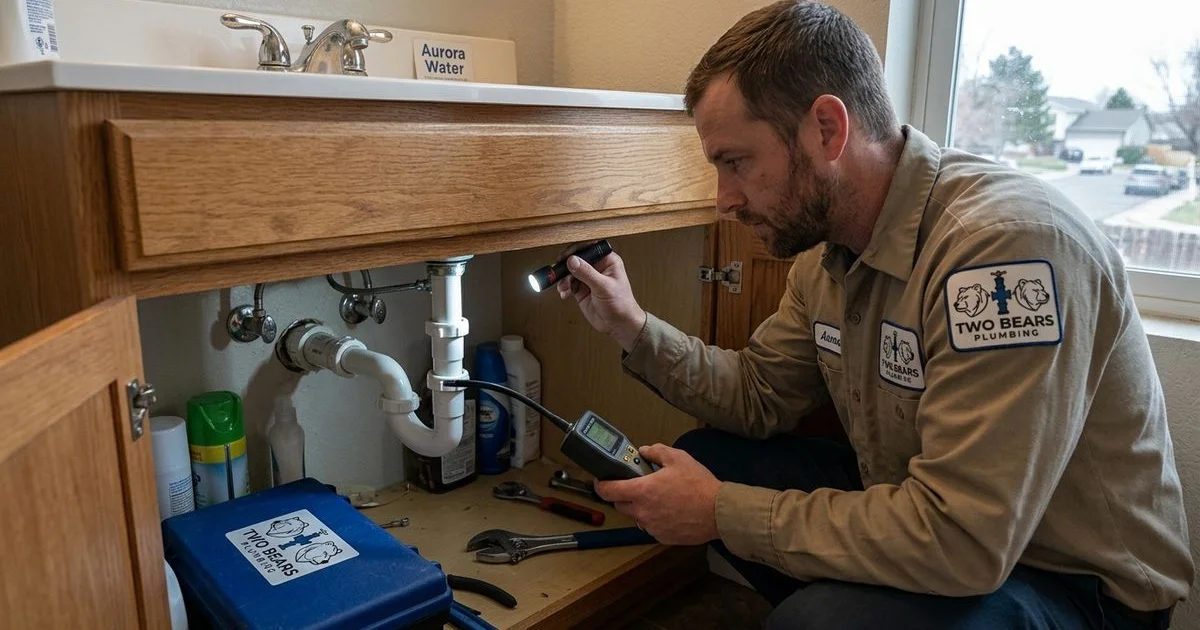
We frequently hear panicked homeowners ask the common question: why does my house smell like sewer? Causes and fixes vary, but the immediate odor of rotten eggs is usually hydrogen sulfide escaping from the plumbing system.
Long-term exposure to these gases can trigger serious headaches and nausea.
Our team at Two Bears Plumbing has diagnosed hundreds of these exact situations across Aurora. Most people initially just light a candle and hope the problem disappears on its own.
A temporary cover-up completely ignores the underlying mechanical failure.
We are going to break down the primary culprits behind these odors and outline the specific diagnostic steps to take. Let’s look at the data to understand the risk and explore the most effective ways to restore a clean environment.
The structural integrity of your plumbing determines the air quality in your living space.
Understanding Why Does My House Smell Like Sewer? Causes and Fixes
We always check the most accessible plumbing fixtures before inspecting the main underground lines. This systematic approach saves time and money.
Mechanical failures range from a simple evaporated water seal to catastrophic pipe degradation.
1. Dry P-Trap
Our technicians start with the easiest targets first to eliminate obvious issues. The most common reason for this foul odor is surprisingly simple to fix.
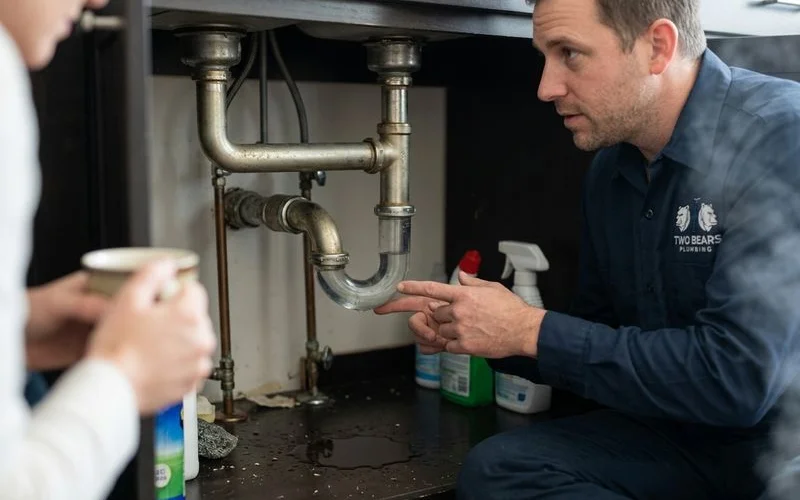
Every single drain in a house features a curved pipe section called a P-trap. We see this curve hold a small amount of water to create a vital gas seal.
Colorado winters force furnaces to run constantly, which can drop indoor humidity levels by an average of 10 percent. This bone-dry air accelerates the evaporation of the water seal inside unused pipes.
We highly recommend establishing a monthly maintenance routine for these overlooked fixtures.
Key signs of a dry P-trap:
- Foul smells near a drain that has not been used in weeks.
- The odor dissipates shortly after running the faucet.
- Floor drains in utility rooms lacking regular moisture.
Running the water for just 30 seconds restores the barrier completely. A pro tip is to pour a tablespoon of mineral oil down the drain right after the water.
Our team has found this creates a floating layer that prevents the water from evaporating as quickly. This simple trick provides cheap insurance against returning odors. Floor drains in utility rooms are the most frequent culprits for evaporation.
2. Failed Wax Ring on a Toilet
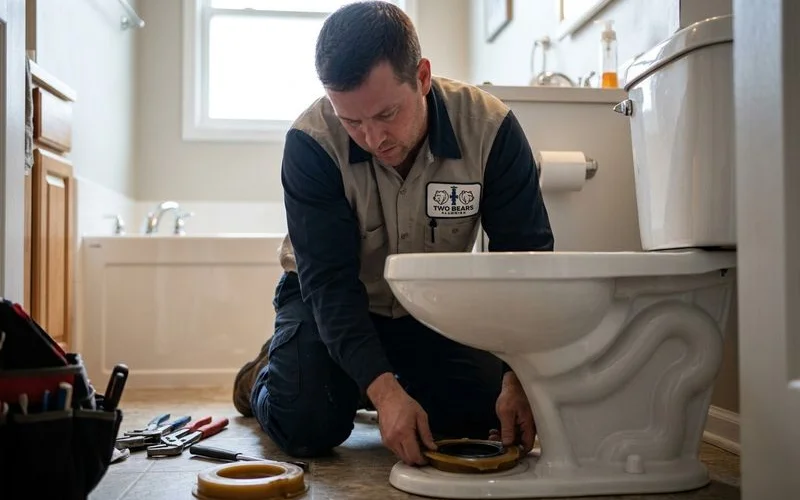
We replace dozens of degraded toilet connections every single month. The seal beneath a toilet is another frequent point of failure.
A standard wax ring creates a gas-tight bond between the porcelain base and the drain flange in the floor. Our plumbers often discover severe leaks hiding right under the floorboards.
Traditional wax rings typically last about 10 to 15 years before breaking down. Years of temperature fluctuations and normal subfloor settling will eventually crack or compress this material.
We strongly suggest considering newer sealing technologies if a replacement is needed.
| Seal Type | Average Cost | Key Advantage |
|---|---|---|
| Traditional Wax | $3 - $5 | Inexpensive and highly effective if installed perfectly on the first try. |
| Silicone or Foam | $10 - $15 | Can be repositioned during installation without destroying the seal. |
The market now offers excellent alternatives to the traditional messy options. Products like the Fluidmaster Better Than Wax or Sani Seal use a reusable silicone or foam gasket.
Our team appreciates how these modern silicone rings can be easily repositioned. Removing a toilet, scraping off sticky old wax, and resetting the fixture requires some heavy lifting.
A botched attempt with a traditional ring means you have to buy a completely new one and start over. We handle this inexpensive repair quickly to eliminate smells and prevent rot in your subfloor.
Ignoring a wobbly toilet will almost certainly lead to costly water damage over time. The repair pays for itself by preventing a major reconstruction project.
3. Cracked or Separated Sewer Line
Our camera inspections frequently reveal deteriorating clay or cast iron pipes in properties built during the 1970s and 1980s. Older homes sometimes hide much larger infrastructure failures underground.
When these joints separate or crack, dangerous gases escape directly into the surrounding soil. We utilize high-resolution video equipment to pinpoint the exact location of these fractures.
The odor often migrates up through the foundation slab and permeates the basement level. Heavy rains can push the trapped gas upward, making the stench much worse during a storm.
Our drain and sewer services incorporate advanced diagnostics to assess the damage accurately.
Advantages of Trenchless Sewer Repair:
- Requires only one or two small access holes instead of a massive yard trench.
- Saves homeowners an average of $4,000 to $6,000 in landscaping restoration costs.
- Projects are typically completed in just one to two days.
- The hardened epoxy resin resists future tree root intrusions.
Multiple slow drains across the house also indicate a serious blockage forming in the main line. Modern repair techniques have completely changed how the industry approaches this problem.
We frequently recommend trenchless pipe repair methods like Cured-In-Place Pipe lining. Traditional excavation requires digging deep trenches across your lawn.
CIPP lining creates a durable new resin pipe directly inside the damaged old one. Our technicians find that the slightly higher per-foot price of trenchless work is offset by preserving your driveway and garden.
The 2026 average cost for trenchless repair in the Denver metro area ranges from $80 to $250 per linear foot. Spot repairs are also possible if the camera shows only a single localized break.
4. Blocked or Damaged Vent Pipe
We always inspect the roof vent stacks when investigating persistent odors that come and go. The drainage system requires consistent airflow to function correctly.
These pipes extend through the roof to channel exhaust outdoors and pull fresh air inside. Our local weather creates a unique hazard for these specific pipes.
A sudden blockage creates negative pressure that actively siphons the protective water right out of your P-traps. Warm, moist exhaust air rises during the winter and hits the freezing outdoor temperatures.
Recognizable signs of a vent problem:
- Gurgling sounds from drains when other fixtures are used.
- Slow drainage affecting multiple sinks throughout the house.
- Intermittent smells that grow noticeably worse on windy days.
We ask clients to visually check the vent stack from the ground for heavy ice buildup. This condensation rapidly forms heavy ice at the exit point and seals the pipe completely shut.
That physical blockage is a clear indicator of the system gasping for air. We trust our prevention strategy involves clearing the obstruction and applying specialized weatherproofing.
Leaves or bird nests can also clog the opening during the warmer months.
Installing a product like an ArcticVent cap or a self-regulating heat trace cable stops ice buildup from recurring. We trust these reliable heating systems to automatically adjust to temperature drops.
Maintaining a clear exhaust path is crucial for long-term safety. Proper venting ensures your entire plumbing network operates smoothly.
5. Loose or Missing Cleanout Plug
We discover open cleanouts in basements and crawl spaces constantly during routine service calls. A missing cap is perhaps the most avoidable cause of terrible indoor smells.
Your main plumbing line features one or more access points designed for clearing heavy blockages. Our team frequently sees these caps cracked from accidental impacts or completely misplaced by previous owners.
These points are typically sealed with a simple white PVC threaded cap. A missing three-inch or four-inch plug essentially acts as an open exhaust vent right into your home.
“Never ignore a cracked cleanout cap. A missing cover provides a direct, unsealed path for dangerous hydrogen sulfide gases to flood your crawl space.”
We carry stacks of these inexpensive parts in our trucks because they break so easily. You can purchase a replacement Oatey PVC cleanout plug at any local hardware store.
This replacement usually costs around ten dollars and takes less than five minutes to thread into place. We always wrap the new threads in Teflon tape before tightening.
Applying tape to the new threads guarantees a perfectly airtight seal. A tight seal instantly stops raw methane gas from flooding your crawl space.
6. Damaged Drain Connections
We frequently trace faint smells back to slightly loose plumbing joints inside bathroom cabinets. The hardware under a sink experiences constant stress from daily usage.
Older properties often feature slip-joint connections that expand and contract as hot and cold water flows through. Our inspection process includes a close look at these vulnerable spots for any signs of hidden moisture.
This continuous thermal movement slowly backs the plastic nuts right off the threads. Even a microscopic gap allows enough gas to seep out and ruin the air quality in a small room.
When to address under-sink connections:
- The plastic slip-joint nuts refuse to tighten or feel stripped out.
- Corrosion is visibly eating away at older chrome-plated brass P-traps.
- Moisture consistently pools underneath the curved pipe section.
- The connections easily shift when bumped.
We recommend replacing the entire P-trap assembly if the material feels brittle or looks heavily corroded. Hand-tightening the specific nut will often resolve a minor leak immediately.
A complete PVC trap kit costs under twenty dollars and provides immense peace of mind. Our installation process always relies on a quality PVC primer before the cement.
Proper solvent-welding is essential if you are installing new pipes. Secure connections prevent future headaches and protect your cabinetry.
When to Call a Professional
We understand that diagnosing these odors can be incredibly stressful for any property owner. Certain issues like a dry P-trap or a missing cleanout plug are incredibly easy to handle yourself.
The larger question remains: why does my house smell like sewer? Causes and fixes become much more complex when dealing with hidden dangers like a cracked underground line or a frozen roof vent.
Our diagnostic tools safely track down the exact source of the leak. Chronic exposure to these toxic gases presents a severe health risk to everyone in the household.
Call Two Bears Plumbing at (720) 903-1527 for an immediate and thorough inspection. We serve Aurora, CO with comprehensive drain and sewer services designed to resolve these emergencies in a single visit.
Advanced camera inspections and non-toxic smoke testing provide absolute clarity on the condition of your infrastructure. Act immediately to protect your property and ensure a safe breathing environment.
Prompt attention keeps your living space comfortable and secure all year long.
Need Plumbing Help in Aurora?
Two Bears is your local Aurora plumber. Call now for same-day service. Upfront pricing, no hidden fees.
Call (720) 903-1527Related Service: Drain cleaning in Aurora →